

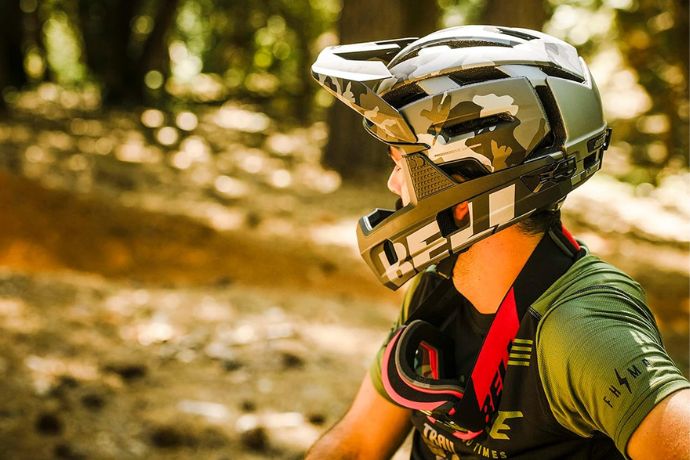
Why Choosing the Best Bike Helmet Matters
Cycling is one of the healthiest and most eco-friendly ways to get around, but safety should never take a back seat. Whether you’re a seasoned cyclist, a weekend warrior, or a daily commuter, wearing the best bike helmet is your first line of defense against serious injuries. Every year, thousands of accidents occur where head injuries could have been prevented by a high-quality helmet.
The best bike helmets not only protect your head but also offer superior comfort, style, and ventilation. You don’t want a bulky, sweaty lid ruining your ride, right? A good helmet fits snugly, feels lightweight, and lets you forget you’re even wearing it. But with so many models on the market—each promising cutting-edge protection and sleek designs—finding the right one can be confusing.
In this guide, we’ll break down everything you need to know before buying your next helmet. From safety certifications and technologies like MIPS and WaveCel to our top-rated picks for 2026, this article will help you make an informed choice. Let’s dive into the world of the best bike helmets for safety and comfort.
Understanding the Importance of Bike Helmets
When it comes to cycling, nothing is more important than protecting your head. A properly fitted, safety-certified helmet can literally be the difference between a minor fall and a life-altering accident. Studies show that wearing a helmet reduces the risk of serious head injuries by up to 70%. That’s a statistic no cyclist should ignore.
Helmets work by absorbing impact energy and spreading it over a larger area. The inner foam liner, typically made from expanded polystyrene (EPS), crushes upon impact, minimizing the force transmitted to your skull. Modern helmets also feature technologies like MIPS (Multi-directional Impact Protection System), which helps reduce rotational forces during a crash.
Aside from personal safety, many regions have laws mandating helmet use, especially for minors. Whether you’re riding in the U.S., Europe, or Asia, following these regulations ensures you stay compliant and protected.
But beyond safety, helmets also enhance visibility with reflective elements and integrated lights, making you more noticeable on the road. A great helmet combines safety, comfort, and style—because feeling good and looking good on your bike shouldn’t be mutually exclusive.
Key Features to Look for in the Best Bike Helmet
When choosing the best bike helmet, there’s more to consider than just color and price. Here’s what separates an average helmet from an exceptional one:
Safety Certifications
Always check for certifications such as CPSC (U.S.), CE EN1078 (Europe), and AS/NZS2063 (Australia/New Zealand). These ensure your helmet meets minimum impact protection standards. Helmets with additional certifications or safety technologies provide even greater peace of mind.
Fit and Comfort
A good helmet should fit like a glove—snug but not tight. Look for adjustable retention systems (like BOA dials) and multiple shell sizes. Soft, moisture-wicking padding keeps you cool during long rides, while adjustable straps let you fine-tune your fit.
Ventilation and Airflow
No one likes a sweaty head. Helmets with strategically placed vents allow cool air to flow through while expelling heat. Road cyclists might prefer models with 20+ vents, while commuters may prioritize coverage over airflow.
Weight and Materials
Lightweight helmets reduce fatigue during long rides. Most quality helmets weigh between 200–350 grams and use in-mold construction for durability. Premium options use carbon fiber reinforcements for extra strength without adding bulk.
Extra Features
Integrated LED lights, removable visors, and magnetic buckles are small details that can make a big difference in usability and safety.
Types of Bike Helmets Explained
Choosing the best bike helmet depends on what type of riding you do. Not all helmets are created equal—each type is designed to meet specific demands, whether it’s high-speed road cycling or rugged mountain trails. Let’s break down the most common categories so you can find the perfect match for your ride.
Road Bike Helmets
Road helmets are all about aerodynamics, ventilation, and lightweight design. Built for performance, they typically feature multiple vents and streamlined shapes to reduce drag. Riders who spend hours on the saddle appreciate helmets like the Lumos Ultra Smart or Giro Aether MIPS for their superior airflow and barely-there feel. Road helmets usually skip the visor for better aerodynamics and visibility when riding in a tucked position.
Mountain Bike Helmets
Mountain biking demands extra protection. These helmets provide extended coverage at the back and sides of the head to protect against impacts on uneven terrain. Most mountain helmets come with a removable visor to block mud, branches, or sunlight. Some even include full-face protection for downhill and enduro riders. A top example is the Bell Super Air R MIPS, which combines breathability with the option to convert into a full-face helmet.
Commuter and Urban Helmets
If you use your bike to get around the city, you’ll need a helmet that blends style, practicality, and visibility. Urban helmets often have sleek designs, integrated rear lights, and enhanced reflective features. The Thousand Chapter MIPS Helmet is a great pick—it looks fashionable and is packed with safety tech for everyday riders.
Aero Helmets for Racers
For competitive cyclists and triathletes, aero helmets are designed to cut through the wind. They have fewer vents but an optimized aerodynamic shape that minimizes drag. If you’re chasing every second in a time trial or race, a helmet like the Kask Protone Icon can give you that extra edge.
Kids’ Bike Helmets
Safety starts young! Children’s helmets are specifically designed for smaller heads, ensuring a snug fit and maximum protection. Many feature fun graphics and colors to encourage kids to wear them consistently. Brands like Giro Scamp MIPS or Bell Sidetrack make excellent choices for growing riders.
Top 10 Best Bike Helmets for Safety and Comfort (2026 Edition)
Finding the best bike helmet in 2026 means looking at innovation, comfort, and protection. After testing dozens of models, here’s our curated list of the top helmets for different types of riders. Each of these options has been evaluated for fit, safety, ventilation, and value.
Top Picks
As an Amazon Associate, we may earn from qualifying purchases. This does not affect the price you pay.
Detailed Reviews of the Best Bike Helmets
Let’s take a closer look at what makes each of these helmets stand out. We’ll go over the pros, cons, and best uses for every model.
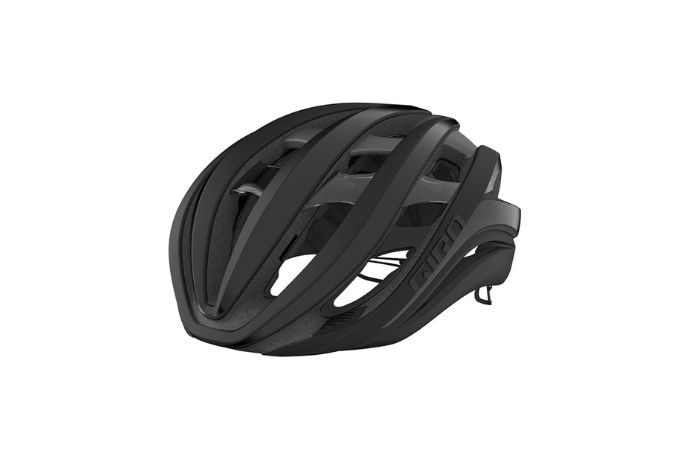
Giro Aether MIPS Cycling Helmet
The Giro Aether MIPS Cycling Helmet stands out as one of the best bike helmets available today, combining premium safety technology with exceptional comfort and ventilation. Designed for road cyclists who demand top-tier performance, this helmet uses Giro’s advanced MIPS Spherical system—two layers of foam that rotate independently to reduce rotational forces during angled impacts. The outer shell is sleek, aerodynamic, and exceptionally lightweight, making it a strong choice for long-distance riders and competitive cyclists.
Ventilation is one of its strongest points. With 11 strategically positioned Wind Tunnel vents, the Giro Aether MIPS keeps airflow moving efficiently around your head, minimizing heat buildup even on the hottest days. Its Roc Loc 5+ Air fit system allows micro-adjustments for a precise and stable fit, while the interior padding enhances comfort and moisture management.
For cyclists who want cutting-edge protection paired with top-level comfort and style, the Giro Aether MIPS remains a leading option in the “best bike helmets” category.
Key Features
| Safety Technology |
MIPS Spherical
Dual-density EPS foam
Progressive layering
|
|---|---|
| Construction | In-mold polycarbonate shell with advanced structural reinforcement |
| Ventilation | 11 Wind Tunnel vents with deep internal channeling |
| Fit System | Roc Loc 5+ Air micro-adjustment fit system |
| Weight | Lightweight design suitable for long rides |
| Ideal For | Road cyclists, endurance riders, competitive athletes |
| Additional Notes | Premium build quality; aerodynamic design with high ventilation |
What We Like
- Outstanding MIPS Spherical protection for rotational impact safety
- Highly effective ventilation for long, hot rides
- Lightweight and very comfortable fit
- Premium build quality and aerodynamic design
- Reliable Roc Loc 5+ Air adjustment system
What We Don’t Like
- Higher price compared to mid-range helmets
- Limited color options depending on region
- May feel slightly large for riders with smaller head shapes
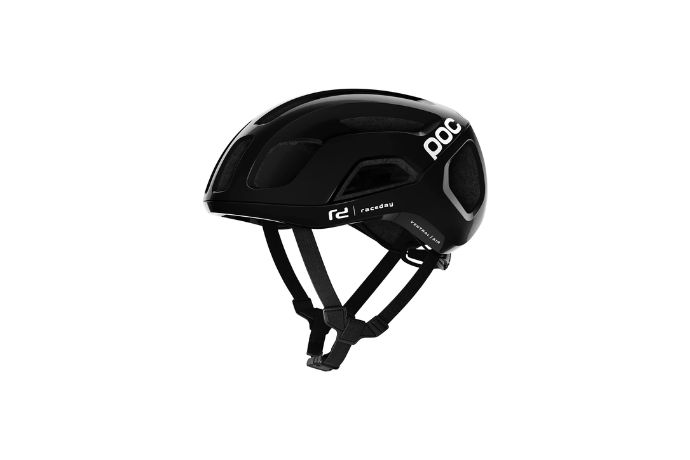
POC Ventral Air SPIN Helmet – Uranium Black Raceday (Small)
The POC Ventral Air SPIN Helmet is engineered for riders who expect top-tier ventilation, lightweight comfort, and elite-level performance. Frequently listed among the best bike helmets for road cyclists, this model prioritizes aerodynamic efficiency while maximizing airflow, making it ideal for long-distance rides and high-speed efforts.
POC’s signature SPIN technology (Shearing Pad Inside) provides rotational impact protection by allowing the interior pads to shear in multiple directions during angled impacts. This system integrates smoothly into the helmet’s padding, resulting in a comfortable, low-profile feel without added bulk. The helmet’s streamlined shape reduces drag, while its deep internal channels direct cool air through and around the head, enhancing comfort during intense training sessions or hot-weather rides.
The lightweight EPS liner and unibody shell construction add structural integrity without unnecessary weight. The helmet also features precise fit adjustment through its easy-to-use tension system, offering a secure and stable feel on any ride. For cyclists searching for a performance-driven model with excellent ventilation and advanced safety features, the POC Ventral Air SPIN is a compelling choice.
Key Features
| Safety Technology |
SPIN (Shearing Pad Inside)
EPS impact liner
Unibody shell construction
|
|---|---|
| Ventilation | Exceptional airflow design with optimized internal channels |
| Aerodynamics | Tuned for reduced drag and improved speed performance |
| Fit System | Lightweight, adjustable tension system for a secure fit |
| Shell Material | High-performance unibody shell for increased durability |
| Weight | Lightweight construction for long-distance comfort |
| Ideal For | Road cyclists, racers, endurance riders |
| Additional Notes | Designed for maximum airflow while maintaining structural strength |
What We Like
- Outstanding ventilation system for hot-weather riding
- SPIN technology offers reliable rotational impact protection
- Aerodynamic design enhances high-speed performance
- Lightweight and comfortable for extended use
- Premium build quality with strong structural reinforcement
What We Don’t Like
- Higher price point compared to mid-range helmets
- Fewer color options available in some regions
- Fit may feel narrow for riders with wider head shapes
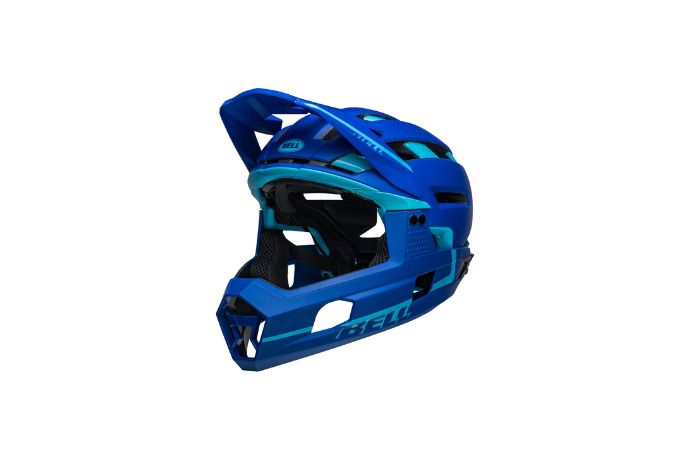
BELL Super Air R MIPS Adult Mountain Bike Helmet
The BELL Super Air R MIPS is one of the most versatile and innovative mountain bike helmets available today. Designed specifically for aggressive trail riders and enduro enthusiasts, it stands out because of its removable chin bar, allowing riders to switch effortlessly between half-shell trail mode and full-face protection. This convertible design makes it one of the best bike helmets for riders who want flexibility without compromising safety.
Equipped with MIPS technology, the Super Air R reduces rotational forces during angled impacts—an essential feature for mountain biking where unpredictable crashes are more common. Its lightweight polycarbonate shell, Progressive Layering EPS foam system, and advanced flex zones combine to provide strong impact absorption while maintaining a comfortable weight for long trail sessions.
Ventilation is another strong point. With 26 vents and deep internal channeling, it keeps air moving efficiently during climbs, descents, and technical sections. The Float Fit system allows for precise on-the-fly adjustments, and the adjustable visor accommodates goggles—an important feature for off-road riders.
For mountain bikers looking for premium protection with the convenience of two helmets in one, the BELL Super Air R MIPS remains a top contender in the best bike helmets category.
Key Features
| Safety Technology |
MIPS
Progressive Layering
Flex Spherical Zones
|
|---|---|
| Helmet Type | Convertible MTB helmet (half-shell + full-face) |
| Chin Bar | Removable, tool-free magnetic latch system |
| Ventilation | 26 vents with deep channeling for high airflow |
| Fit System | Float Fit system with adjustable visor |
| Goggle Compatibility | Visor designed for seamless goggle integration |
| Ideal For | Trail riding, enduro, aggressive off-road terrain |
| Additional Notes | Lightweight for a convertible helmet; excellent versatility |
What We Like
- Two-in-one design with removable chin bar offers unmatched versatility
- MIPS protection enhances safety during angled impacts
- Excellent ventilation for both trail and full-face modes
- Lightweight design compared to similar convertible helmets
- Goggle-friendly visor and secure fit system
What We Don’t Like
- Higher cost due to its convertible design
- Chin bar, while secure, is not ASTM-certified for downhill racing
- Fit may feel slightly snug for riders with rounder head shapes
Lumos Ultra Smart Bike Helmet – Customizable Front & Rear LED Lights with Turn Signals
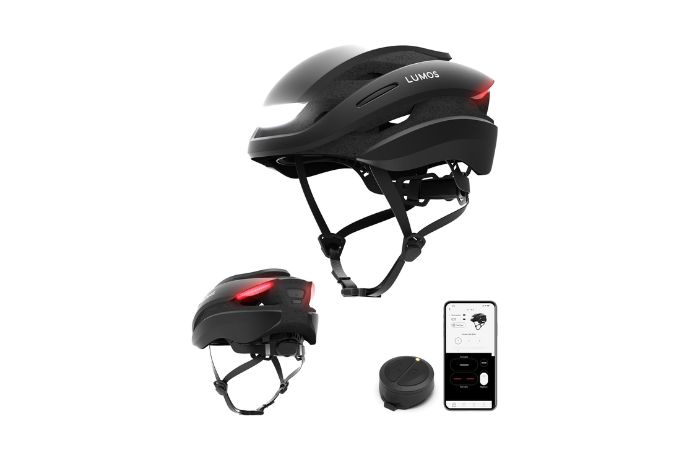
The Lumos Ultra Smart Bike Helmet is one of the most advanced and visibility-focused helmets on the market, designed for riders who prioritize safety in high-traffic environments. This model is especially popular among commuters and urban cyclists, thanks to its integrated front and rear LED lights, wireless turn signals, and smart connectivity features. These upgrades make it one of the best bike helmets for riders who need maximum visibility during early-morning or late-evening rides.
The helmet includes bright LEDs that can be customized through the Lumos app, allowing riders to adjust light patterns, brightness, and turn-signal modes. The wireless handlebar remote makes signaling intuitive and keeps your hands safely on the grips. It also integrates with Apple Health and Apple Watch gesture control for hands-free turn signaling—an appealing feature for tech-forward riders.
The Lumos Ultra Smart Helmet features a lightweight, durable construction with efficient ventilation channels for comfort during long commutes. The adjustable fit system ensures a secure feel, while the EPS foam interior provides the impact protection required by modern safety standards. For cyclists navigating busy roads, the Lumos Ultra is a standout choice that elevates both visibility and confidence.
Key Features
| Lighting System |
Front LEDs
Rear LEDs
Customizable light patterns
Wireless turn signals
|
|---|---|
| Smart Features | App integration, Apple Watch gesture control, wireless handlebar remote |
| Battery Life | Long-lasting rechargeable battery with USB-C charging |
| Ventilation | Effective airflow through multiple vents |
| Safety | CPSC-certified EPS foam construction with improved visibility features |
| Fit System | Adjustable dial-fit system for secure comfort |
| Ideal For | Urban commuting, road cycling, night riding |
| Additional Notes | IPX4 water resistance; excellent for low-light environments |
What We Like
- Integrated front and rear LEDs significantly improve visibility
- Wireless turn signals enhance safety in traffic
- App customization allows personalized lighting profiles
- Comfortable fit with good ventilation for daily commuting
- Rechargeable battery with solid runtime and fast charging
What We Don’t Like
- Heavier than standard non-smart helmets
- May require frequent charging for riders who use maximum brightness
- Higher price due to smart technology integration
SMITH Network Cycling Helmet – Road & MTB Helmet with MIPS + Zonal Koroyd
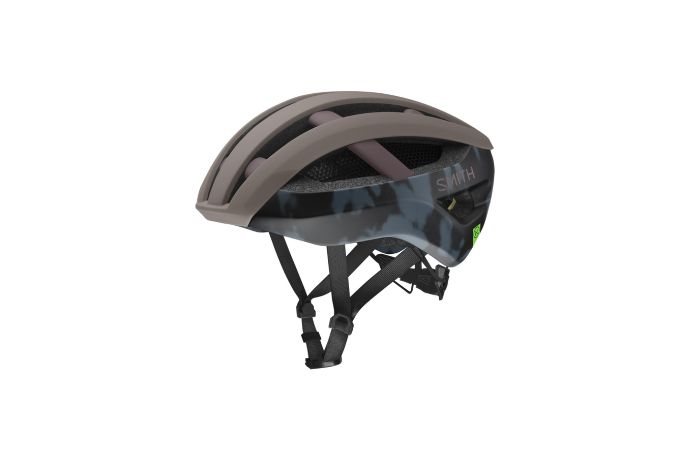
The SMITH Network Cycling Helmet is a well-rounded choice for riders who want advanced safety technology, versatile performance, and stylish design. Built for both road and mountain biking, it’s one of the best bike helmets for cyclists who need a single helmet that performs across multiple riding environments. The Network uses a combination of MIPS (Multi-directional Impact Protection System) and Zonal Koroyd coverage, delivering exceptional impact absorption and rotational-force protection.
Koroyd—those recognizable honeycomb-like tubes—compresses efficiently during impact, acting like a crumple zone to reduce trauma while keeping the helmet lightweight and breathable. The Network also features generous ventilation channels that promote airflow on hot rides, and its VaporFit system offers precise, easy adjustment for a secure and comfortable fit.
SMITH includes AirEvac ventilation, designed to integrate seamlessly with SMITH eyewear to prevent fogging—a big advantage for riders who wear sunglasses or prescription cycling lenses. With its blend of comfort, ventilation, and dual-purpose design, the SMITH Network stands out as a reliable option for the best bike helmets in the do-everything category.
Key Features
| Lighting System |
Front LEDs
Rear LEDs
Customizable light patterns
Wireless turn signals
|
|---|---|
| Smart Features | App integration, Apple Watch gesture control, wireless handlebar remote |
| Battery Life | Long-lasting rechargeable battery with USB-C charging |
| Ventilation | Effective airflow through multiple vents |
| Safety | CPSC-certified EPS foam construction with improved visibility features |
| Fit System | Adjustable dial-fit system for secure comfort |
| Ideal For | Urban commuting, road cycling, night riding |
| Additional Notes | IPX4 water resistance; excellent for low-light environments |
What We Like
- Integrated front and rear LEDs significantly improve visibility
- Wireless turn signals enhance safety in traffic
- App customization allows personalized lighting profiles
- Comfortable fit with good ventilation for daily commuting
- Rechargeable battery with solid runtime and fast charging
What We Don’t Like
- Heavier than standard non-smart helmets
- May require frequent charging for riders who use maximum brightness
- Higher price due to smart technology integration
Thousand Chapter MIPS Adult Bike Helmet – LED Tail Light, Low Profile, Lockable PopLock
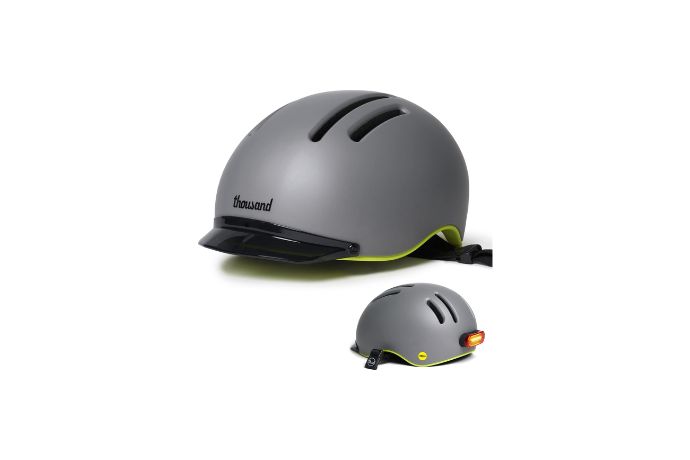
The Thousand Chapter MIPS Adult Bike Helmet blends modern safety technology with a clean, stylish design that appeals to urban cyclists, commuters, and riders who want enhanced visibility on the road. Known for its sleek, low-profile silhouette, this model incorporates MIPS protection, an advanced rotational-impact system found in many of the best bike helmets today. The MIPS liner sits between the shell and padding, allowing for slight movement during angled impacts to reduce rotational forces.
One of the standout features of the Thousand Chapter Helmet is its integrated magnetic LED tail light, which increases rear visibility during early-morning or nighttime rides. The light attaches magnetically at the rear of the helmet, making it easy to remove for charging. Riders who navigate city streets will also appreciate the PopLock system, a hidden channel that allows you to lock the helmet directly to your bike—an appealing feature for commuters who frequently stop at cafés, offices, or shops.
The helmet’s construction includes a lightweight ABS shell paired with EPS foam to balance durability and protection. Ventilation is well-distributed through multiple vents that maintain airflow without compromising the helmet’s signature minimalist style. The fit system uses a dial-adjust mechanism to fine-tune comfort and stability. Overall, the Thousand Chapter MIPS Helmet is a strong contender in the best bike helmets category, especially for riders prioritizing visibility, design, and daily practicality.
Key Features
| Safety Technology |
MIPS Protection
EPS Impact Foam
ABS Outer Shell
|
|---|---|
| Lighting | Integrated magnetic LED tail light (USB-rechargeable) |
| Anti-Theft Feature | Hidden PopLock for securing helmet with bike lock |
| Ventilation | Strategic vent placement for balanced airflow |
| Fit System | Dial-adjust mechanism for customized fit |
| Design | Minimalist, low-profile aesthetic suitable for urban riding |
| Ideal For | Commuters, city riders, e-bike users |
| Additional Notes | Includes premium vegan leather straps; helmet is safety-certified for cycling |
What We Like
- MIPS technology provides trusted rotational-impact protection
- Integrated magnetic LED tail light enhances night visibility
- PopLock anti-theft system is convenient for commuters
- Sleek, stylish design with premium materials
- Comfortable fit with lightweight construction
What We Don’t Like
- Ventilation is more limited compared to performance road helmets
- LED light needs regular charging for daily commuters
- Premium price for its category
KASK Protone Icon Bike Helmet – Aerodynamic Road, MTB & Cyclocross Helmet
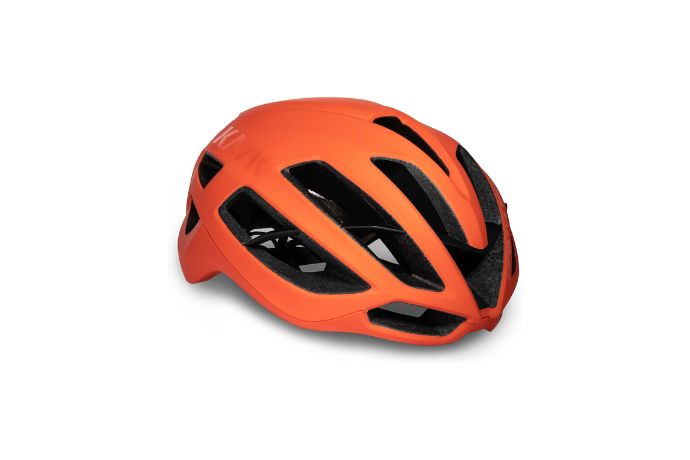
The KASK Protone Icon is a premium performance helmet built for riders who need aerodynamic efficiency, lightweight comfort, and high-level protection. Known for its sleek profile and racing-focused engineering, the Protone Icon is widely used by professional cyclists and serious enthusiasts. It remains one of the best bike helmets for road cyclists and cyclocross riders who value speed, ventilation, and precise fit.
KASK designed this model with an upgraded internal frame and reinforced shell for improved structural integrity. Its aerodynamic shape reduces drag without compromising airflow, thanks to large front vents and deep internal channels that keep air moving through the helmet. This makes the Protone Icon an excellent choice for hot-weather training, long climbs, and high-intensity rides.
The helmet uses KASK’s OCTOFIT+ adjustment system, which offers exceptional stability and fine-tuning to match different head shapes. The internal padding features fast-drying, antimicrobial materials that enhance long-term comfort. While the Protone Icon does not include MIPS, it meets KASK’s strict safety standards and passes rigorous rotational and impact tests unique to the brand. For riders seeking a lightweight, aerodynamic, and elite-grade helmet, the KASK Protone Icon continues to be a top-tier option.
Key Features
| Construction |
In-mold polycarbonate shell
EPS impact foam
Reinforced internal frame
|
|---|---|
| Safety Testing | Meets KASK’s WG11 rotational impact testing standards |
| Ventilation | Large front vents with deep internal channels for cooling |
| Aerodynamics | Optimized low-drag shape designed for racing |
| Fit System | OCTOFIT+ adjustable retention system |
| Padding | Antimicrobial, moisture-wicking internal padding |
| Ideal For | Road cycling, mountain biking, cyclocross, racing |
| Additional Notes | Lightweight design; highly stable fit during high-speed riding |
What We Like
- Exceptional aerodynamics ideal for racing and high-speed riding
- OCTOFIT+ system provides one of the most secure and comfortable fits
- Lightweight and well-ventilated for long training days
- Premium build quality with durable reinforced frame
- Antimicrobial padding enhances comfort and hygiene
What We Don’t Like
- Does not include MIPS, which some riders may prefer
- Higher price due to premium performance design
- Vent openings may feel large in colder conditions
Sena R2 / R2 EVO / R2X Smart Road Cycling Helmet – Bluetooth, Mesh Intercom & Alexa Integration
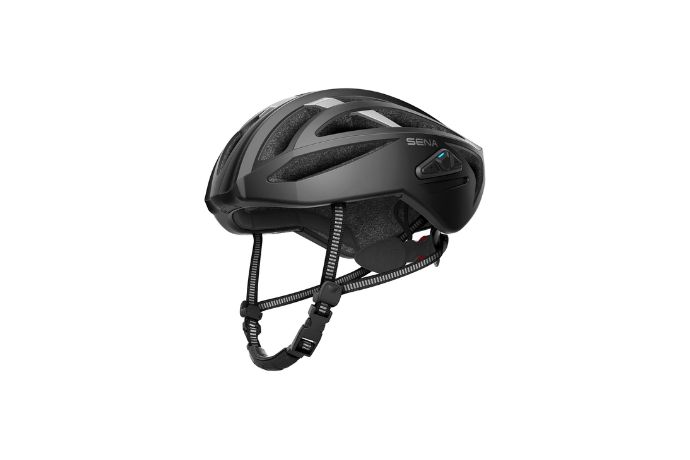
The Sena R2 Series (R2, R2 EVO, and R2X) brings smart connectivity to cycling helmets, offering an immersive communication experience for group riders, commuters, and tech-focused cyclists. These models combine safety-certified helmet design with built-in Bluetooth, integrated speakers, and microphones, allowing seamless hands-free communication, audio streaming, navigation prompts, and more. The R2X variant includes Alexa Built-In, adding voice-controlled convenience for riders who prefer fully integrated smart features.
The design focuses on road cycling performance, offering aerodynamic shaping and efficient ventilation through strategically placed air channels. The helmet remains lightweight despite its internal electronics, and the fit system provides stability during long rides. Sena’s Mesh Intercom (available in EVO and R2X) enables group communication without needing to stay paired—making it ideal for clubs, training groups, and long-distance rides where instant communication matters.
With its microphone noise-control technology, cyclists can speak clearly even at higher speeds. The helmet also includes LED rear lighting for improved nighttime visibility, depending on the model. For cyclists wanting smart safety, hands-free communication, and connectivity features all in one, the Sena R2 series is one of the best bike helmets in the smart-technology category.
Key Features
| Communication Technology |
Bluetooth Intercom
Mesh Intercom (EVO & R2X)
Built-in Speakers & Mic
|
|---|---|
| Smart Features | R2X includes Alexa Built-In for voice commands |
| Audio | Hands-free calls, music streaming, GPS prompts |
| Safety | Polycarbonate shell with EPS foam; LED rear lighting on select models |
| Ventilation | Efficient airflow through aerodynamic air channels |
| Battery Life | Long-lasting rechargeable battery depending on model & usage |
| Fit System | Adjustable retention system for comfort and stability |
| Ideal For | Road cyclists, group riders, commuters, long-distance touring |
| Additional Notes | No earbuds required; supports multi-rider communication |
What We Like
- Integrated intercom system allows group communication without phones
- Bluetooth audio for calls, music, podcasts, and navigation
- Alexa support (R2X) adds hands-free control for smart functions
- Strong ventilation and comfortable aerodynamic design
- Built-in mic with noise reduction improves clarity at higher speeds
What We Don’t Like
- Heavier than non-smart helmets due to electronics
- Battery needs regular charging, especially on long rides
- Premium models (EVO & R2X) can be expensive for casual riders
Bern Hudson MIPS Adult Bike Helmet – Safety-Certified, Adjustable, Built-In Light (Up to 27 MPH Protection)
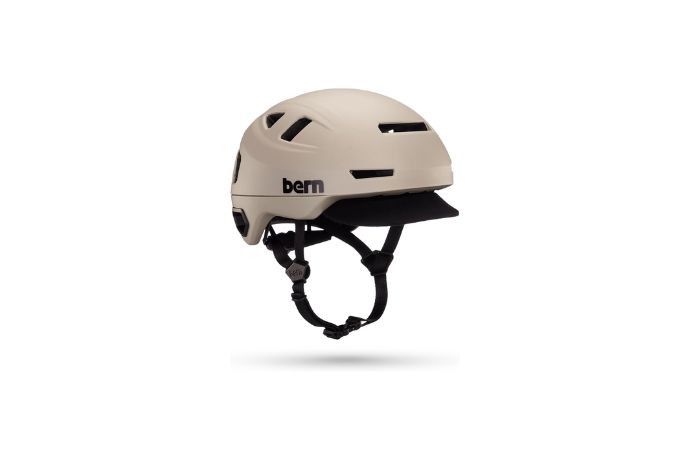
The Bern Hudson MIPS Adult Bike Helmet is engineered for modern commuters, e-bike riders, and micro-mobility users who need dependable safety at higher speeds. Rated for protection up to 27 MPH, this helmet delivers stronger impact energy management than many standard commuter helmets, making it one of the best bike helmets for city riders and electric-vehicle users. With a sleek urban design and practical features such as integrated lighting and MIPS rotational-impact protection, the Bern Hudson is both stylish and safety-forward.
The MIPS liner reduces rotational forces during angled impacts, an essential upgrade for e-bike speeds. Bern’s lightweight in-mold construction uses durable polycarbonate fused with impact-absorbing EPS foam, ensuring the helmet remains strong without feeling bulky. The included USB-rechargeable rear safety light enhances visibility at night and in traffic—an important feature for commuters navigating dense urban environments.
The Hudson’s Compass Fit System provides a secure, easy-to-adjust dial for fine-tuning the fit, while its ventilation layout helps maintain airflow without compromising its low-profile design. It is fully certified for cycling, e-bikes, e-scooters, and other micro-mobility devices. For riders looking for a protective, stylish, and feature-rich helmet that handles higher speeds, the Bern Hudson MIPS stands out as a top pick among the best bike helmets for urban mobility.
Key Features
| Safety Technology |
MIPS Rotational Protection
27 MPH Rated Impact Protection
EPS Impact Foam
|
|---|---|
| Lighting | Integrated USB-rechargeable rear light |
| Ventilation | Strategically placed vents for urban riding airflow |
| Fit System | Compass Fit System with dial adjustment |
| Speed Rating | Tested and certified for speeds up to 27 MPH |
| Certification | Safety certified for bikes, e-bikes, and e-scooters |
| Ideal For | Commuters, e-bike riders, city cyclists, delivery riders |
| Additional Notes | Low-profile urban design with high-impact protection |
What We Like
- Rated for higher-speed safety, ideal for e-bikes and e-scooters
- MIPS technology adds important rotational-impact protection
- Integrated rear light increases visibility in traffic
- Comfortable fit with easy dial adjustment
- Durable, stylish design with strong safety certifications
What We Don’t Like
- Heavier than some traditional commuter helmets
- Rechargeable light requires regular charging for daily riders
- Limited ventilation compared to performance road helmets
LAZER Z1 KinetiCore Road Cycling Helmet
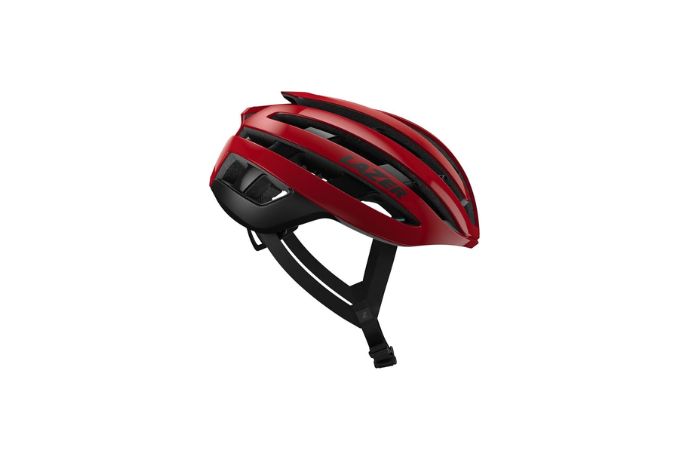
The LAZER Z1 KinetiCore is a high-performance road cycling helmet built for riders who want advanced protection, maximum ventilation, and lightweight comfort. As one of the best bike helmets in the premium category, the Z1 KinetiCore features LAZER’s proprietary KinetiCore technology, an integrated rotational-impact protection system designed directly into the EPS foam. This reduces weight compared to add-on systems while improving energy absorption during angled impacts.
The helmet is engineered for competitive and endurance riders who need efficient airflow. Its large vents and deep internal channels optimize cooling on long climbs and high-speed efforts. Even with its impressive ventilation, the Z1 KinetiCore remains aerodynamic, making it suitable for racing, training, and long-distance road cycling.
LAZER’s Advanced RollSys fit system provides 360-degree adjustment for a snug, stable fit that distributes pressure evenly around the head. The lightweight construction further adds to all-day comfort. Cyclists who prioritize race-ready performance, advanced safety technology, and low weight will find the LAZER Z1 KinetiCore a standout option among the best bike helmets currently available.
Key Features
| Safety Technology |
KinetiCore Rotational Protection
EPS Impact Foam
Integrated Energy Management Zones
|
|---|---|
| Ventilation | Large vents with deep internal channeling for advanced airflow |
| Fit System | Advanced RollSys 360° fit adjustment |
| Weight | Ultra-lightweight design for endurance and race performance |
| Aerodynamics | Optimized low-drag profile suitable for high-speed riding |
| Additional Features | Compatible with LAZER aeroshell covers (sold separately) |
| Ideal For | Road cyclists, racers, endurance riders, performance enthusiasts |
| Additional Notes | Designed to balance speed, cooling, and safety with minimal weight |
What We Like
- KinetiCore technology offers excellent rotational-impact protection while reducing weight
- Strong ventilation system suitable for intense training and warm-weather rides
- Advanced RollSys fit system provides superior comfort and stability
- Lightweight, aerodynamic design ideal for racing and endurance events
- Compatible with aeroshell covers for added aerodynamic gains
What We Don’t Like
- Premium price may be high for casual riders
- Vent openings can feel cool during winter rides
- Aeroshell accessory sold separately
How to Choose the Right Size Helmet
Getting the best bike helmet isn’t just about picking a model—it’s about finding one that fits perfectly. Even the most advanced helmet won’t protect you properly if it’s too loose or tight.
Measuring Your Head
Grab a soft measuring tape and wrap it around your head about an inch above your eyebrows and ears. This gives you your head circumference, which you can compare to the helmet brand’s sizing chart (usually found on their website or packaging).
Understanding Helmet Sizing
Helmets generally come in Small (52–56 cm), Medium (56–59 cm), and Large (59–63 cm) sizes. Some brands offer additional options like XS or XL for unique fits. Always try it on if possible—the helmet should feel snug but not tight.
Adjusting Straps and Retention Systems
Modern helmets come with dial-adjust systems (like BOA or Roc Loc) for micro-tuning. The straps should form a “V” shape just below your ears and sit flat against your face. The chin strap should allow just enough space for two fingers between your chin and the buckle.
A well-fitted helmet won’t move when you shake your head. If it does, it’s time for some adjustments or a different size.
Related Articles
- Nonstick vs. Stainless Steel Cookware: Which Is Better for Everyday Cooking?
- 15 Budget-Friendly Home Upgrades Before the Holidays
- The 7 Best 4K Smart TVs for Streaming in 2026
- Top 10 Convertible Car Seats for Growing Families
- Top Baby Gifts for First Christmas
- Best Wedding Guest Dresses for 2026 (By Season & Venue)
- 12 Essential Camping Gadgets You Didn’t Know You Needed
- Best Dog Beds for Large Breeds: 10 Top Picks & Buyer’s Guide
- Best Refrigerators for Thanksgiving Meal Prep: Top Picks for Large Families
- 25 Thoughtful Christmas Gift Ideas for Women
- Best Home Workout Equipment 2026: Top Picks for Every Budget and Space
Bike Helmet Technologies You Should Know About
Technology has revolutionized the modern bike helmet, making today’s models safer, smarter, and more comfortable than ever. If you’re in the market for the best bike helmet, understanding these innovations can help you make the right choice for your riding style and safety needs.
MIPS (Multi-Directional Impact Protection System)
MIPS has become a buzzword in the helmet world—and for good reason. It’s designed to protect your brain from rotational motion caused by angled impacts, which are the most common in real-world crashes. Inside a MIPS-equipped helmet, there’s a low-friction liner that allows a small amount of movement between the shell and your head. This movement redirects harmful rotational energy away from the brain.
Most premium helmets today—from Giro and Bell to Smith—feature MIPS or a similar rotational protection system. While it might add a few grams of weight and a bit to the price tag, the added protection is well worth it.
WaveCel Technology
Exclusive to Bontrager, WaveCel is a collapsible cellular structure that acts like a crumple zone during impact. It’s designed to absorb linear and rotational forces simultaneously, offering superior protection compared to traditional foam helmets. Studies have shown WaveCel-equipped helmets can significantly reduce the risk of concussions, making them a great choice for safety-conscious riders.
SPIN (Shearing Pad Inside)
Developed by POC, SPIN technology uses specially designed pads that shear in any direction during an impact, reducing rotational energy transfer. It’s similar in concept to MIPS but built directly into the helmet’s padding for improved comfort and weight balance.
KinetiCore
Lazer’s KinetiCore technology integrates impact-absorbing blocks directly into the helmet’s foam structure. This eliminates the need for additional slip layers, resulting in a lighter helmet with enhanced ventilation. It’s one of the newest innovations in helmet safety and is already earning high safety scores in independent tests.
ANGi Crash Sensor
Used in some Specialized helmets, the ANGi crash sensor is a built-in device that pairs with your smartphone. If you crash and don’t respond, it automatically alerts your emergency contacts with your location. It’s like having a digital guardian watching over you every ride.
These technologies show just how far helmets have come—from basic foam shells to high-tech lifesavers. Whether you’re a racer or a casual commuter, investing in a helmet with one (or more) of these systems means investing in your own safety.
Comparing Price vs. Performance: Is Expensive Always Better?
It’s tempting to assume that the pricier the helmet, the safer it is. But that’s not always true. The best bike helmet for you depends on how and where you ride, not just the brand or cost.
Budget Helmets ($50–$100)
These helmets meet the same basic safety standards as premium ones but often lack advanced features like MIPS or enhanced ventilation. They’re perfect for casual riders, commuters, and kids. You can still find solid models from brands like Bell or Giro at this price point.
Mid-Range Helmets ($100–$200)
This range is the sweet spot for most riders. You’ll get features like MIPS, better fit systems, and improved ventilation without breaking the bank. Helmets such as the POC or Lumos Ultra fall into this category—offering premium protection at a reasonable cost.
High-End Helmets ($200 and up)
These are built for performance-focused riders who value every ounce of weight savings and ventilation optimization. Premium helmets often use carbon reinforcements, aerodynamic shapes, and cutting-edge safety systems. While they’re expensive, options like the Kask Protone Icon or LAZER Helmet Z1 offer unparalleled comfort and innovation.
So, is expensive better? Sometimes—but not always. Every certified helmet, regardless of price, meets strict safety standards. The difference lies in comfort, weight, and extra features. Always prioritize fit and certification over flashy designs or price tags.
Best Bike Helmets for Different Riders
Different riders have different needs. Let’s look at which helmets best suit various riding styles and conditions. Best for:
Commuters
- Thousand Chapter MIPS – Combines safety, style, and visibility for daily city rides.
- Bern Hudson – Ideal for urban cyclists who need integrated lights and all-day comfort.
Mountain Bikers
- Bell Super Air R MIPS – Convertible full-face protection makes it perfect for trail and enduro riding.
- POC Tectal Race SPIN – Offers extended coverage and durability for rough terrain.
Road Cyclists
- Giro Aether MIPS – Exceptional ventilation and lightweight design for endurance rides.
- Kask Protone Icon – For riders who demand speed, aerodynamics, and high performance.
Kids and Teens
- Giro Scamp MIPS – Lightweight, fun design with adjustable fit.
- Bell Sidetrack – Durable and affordable, perfect for growing riders.
No matter your riding style, the goal is the same—comfort, safety, and confidence on every ride.
Maintenance Tips: How to Care for Your Helmet
Even the best bike helmet won’t last forever, especially if it’s not cared for properly. Here’s how to extend its lifespan and ensure it stays in top shape.
Cleaning Your Helmet
- Use mild soap and water—never harsh chemicals, as they can degrade the foam liner.
- Remove the inner padding and wash it by hand. Let it air dry completely before reinstalling.
- Wipe the outer shell with a soft cloth to remove dust, sweat, and grime.
Storing Your Helmet
Store it in a cool, dry place away from direct sunlight or extreme heat. Prolonged exposure to UV rays can weaken the helmet’s structure. Avoid hanging it on handlebars or storing it in a hot car trunk.
When to Replace Your Helmet
Most helmets should be replaced every 3–5 years, even if they haven’t been in a crash. The foam and materials degrade over time. If you’ve been in an accident—no matter how minor—replace your helmet immediately, as its protective integrity may be compromised.
Regular maintenance ensures your helmet continues to perform as it should—protecting your head every time you ride.
Common Mistakes Cyclists Make When Buying a Helmet
Even the most seasoned riders can make errors when choosing a helmet. To ensure you get the best bike helmet for your needs, it’s important to know what not to do during the buying process.
1. Ignoring Proper Fit
One of the biggest mistakes is choosing a helmet based solely on style or color without checking the fit. A helmet that’s too loose can slip during a crash, while one that’s too tight causes discomfort and headaches. Always measure your head, refer to sizing charts, and adjust the retention system properly before making your decision.
2. Skipping Safety Certifications
Every reputable helmet must meet certain safety standards (like CPSC, EN1078, or ASTM). Avoid unbranded helmets that don’t clearly list their certifications—these might look good online but could fail to protect you in an actual accident. Certifications aren’t optional; they’re the foundation of your safety.
3. Not Considering Your Riding Style
Helmets are designed for specific purposes. A road helmet may not provide enough coverage for mountain biking, and a bulky MTB helmet might feel unnecessary for short urban commutes. Always choose a helmet based on how and where you ride.
4. Choosing Style Over Function
We all love a good-looking helmet, but never sacrifice safety for aesthetics. Thankfully, modern designs like the Thousand Chapter MIPS or Smith Network MIPS prove that you can have both—sleek looks and high safety standards.
5. Using a Helmet After a Crash
Helmets are single-impact devices. Even if your helmet looks fine after a fall, the internal foam may have absorbed impact forces and can no longer protect you effectively. Replace it immediately after any significant crash.
6. Keeping an Old Helmet for Too Long
Over time, sunlight, sweat, and general wear weaken a helmet’s materials. If yours is more than five years old, it’s time to upgrade to a newer model with the latest safety technology. Think of it as investing in your future protection.
Avoiding these common mistakes ensures your helmet provides optimal protection when it matters most.
Eco-Friendly and Sustainable Bike Helmets
As cycling becomes more popular worldwide, environmental consciousness is also becoming a major focus in helmet design. Today’s riders aren’t just looking for the best bike helmet—they want one that’s kind to the planet, too.
Eco-Friendly Materials
Some innovative brands are turning to biodegradable foams, recycled plastics, and natural fibers. For example, companies like Dashel and Thousand use recycled EPS foam and eco-friendly dyes in their helmets. Others experiment with renewable materials like cork or flax fiber to replace synthetic components.
Sustainable Manufacturing
Traditional helmet production involves energy-intensive molding and non-recyclable materials. However, modern eco-conscious brands are moving toward low-emission manufacturing and recyclable packaging. Some even offer helmet recycling programs to ensure worn-out helmets don’t end up in landfills.
Durability = Sustainability
Buying a high-quality, durable helmet is one of the most sustainable choices you can make. A helmet that lasts longer reduces waste and the need for replacements. Helmets like the Smith Network MIPS and Lazer Z1 KinetiCore are designed for longevity—built with replaceable padding and components to extend their life.
Brands Leading the Way
- Thousand Helmets: Certified carbon-neutral and committed to sustainable materials.
- POC: Incorporates recycled plastics and eco-friendly processes in production.
- Giro: Actively pursuing carbon reduction and recyclable packaging in its latest lines.
Choosing an eco-friendly helmet is more than a personal safety decision—it’s a statement about caring for the planet while protecting yourself.
Where to Buy the Best Bike Helmets (Online & In-Store)
Once you’ve decided on the best bike helmet for your needs, the next question is: Where should you buy it?
Online Stores
Online shopping offers convenience, variety, and great deals. Trusted online platforms include:
- REI.com – Known for expert product reviews and easy returns.
- Competitive Cyclist – Offers premium brands like POC, Giro.
- Amazon – A good place for deals, though always verify sellers and authenticity.
When buying online, check customer reviews, return policies, and size guides carefully. Make sure the helmet is genuine and certified—there are many counterfeit products on the market.
Local Bike Shops
Buying in-store allows you to try before you buy. You can test the fit, adjust the straps, and feel the weight firsthand. Most shops have experts who can help you find the perfect model and even adjust it for you. Supporting local shops also helps sustain your community’s cycling culture.
Brand Websites
If you want the latest models, consider buying directly from the manufacturer’s website. Brands like Giro, and POC often offer exclusive colors, sizes, or limited-edition releases that aren’t available elsewhere.
No matter where you buy, prioritize fit, certification, and comfort over price alone. Your helmet is a long-term investment in your safety.
Conclusion: Your Safety Starts with the Right Helmet
Whether you’re a daily commuter, a mountain trail adventurer, or a weekend road racer, the best bike helmet is the one that keeps you safe, comfortable, and confident every time you ride.
Modern helmets have evolved far beyond simple foam shells—they’re now feats of engineering, combining impact absorption, rotational protection, and ventilation in sleek, lightweight designs. Brands like Giro, and POC have set new industry standards by blending safety technology with style and innovation.
At the end of the day, your helmet is your most important cycling accessory. It’s not about how cool it looks or how much it costs—it’s about how well it protects your head when you need it most. So, measure carefully, check certifications, and pick the model that fits your lifestyle.
Remember: you can replace your bike, you can replace your gear—but you can’t replace your head. Ride smart, stay protected, and enjoy the freedom of the road with the peace of mind that comes from wearing the best helmet for you.
FAQs About the Best Bike Helmets
1. How often should I replace my bike helmet?
It’s recommended to replace your helmet every 3–5 years, or immediately after any crash. Even minor impacts can damage the internal structure, compromising safety.
2. Do all helmets come with MIPS?
Not all helmets include MIPS, but many top-rated ones do. Some brands offer alternative technologies like SPIN, which serve the same purpose—reducing rotational impact forces.
3. Are expensive helmets safer than budget ones?
All certified helmets meet minimum safety standards. However, expensive helmets often provide better comfort, ventilation, and lighter materials, which enhance overall riding experience..
4. Can I wash my helmet in a dishwasher or washing machine?
Absolutely not! Always hand wash your helmet with mild soap and water. Using machines or harsh chemicals can damage its structure and reduce its effectiveness.
5. What’s the lightest and most comfortable bike helmet?
As of 2026, the Kask Protone Icon are among the lightest and most comfortable helmets for road cyclists. For commuters, the Thousand Chapter MIPS offers unbeatable comfort with added style..