

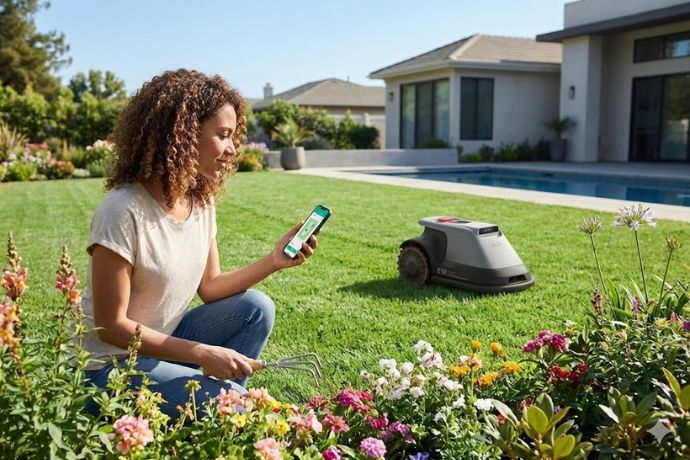
The Rise of Smart Garden Tools in 2026
Gardening has always been a peaceful escape for many, but in 2026, it’s no longer just about soil and seeds—it’s about sensors, AI, and automation. The world of smart garden tools is reshaping how homeowners care for their backyards. From AI-powered lawn mowers to self-watering planters that communicate with your smartphone, technology has finally dug its roots deep into the soil.
The global smart gardening market has exploded, driven by the increasing adoption of smart homes and the need for sustainable living. People are seeking ways to minimize manual work, reduce waste, and grow healthier plants with precision. Imagine waking up, checking your phone, and finding a notification that your roses need a touch more water or that your lawn mower has already finished its job—all while you sip your morning coffee.
Smart garden tools are not just for tech enthusiasts—they’re becoming mainstream for everyone who loves greenery but hates the backbreaking labor. With 2026 introducing more affordable, connected, and eco-friendly gadgets, there’s never been a better time to upgrade your backyard to a smart ecosystem.
What Are Smart Garden Tools?
Smart garden tools are the digital-age companions every modern gardener dreams of. They combine advanced sensors, connectivity, and automation to make gardening more efficient and enjoyable. Unlike traditional tools, these devices can “think,” “analyze,” and even “decide” what your garden needs—all thanks to artificial intelligence (AI) and the Internet of Things (IoT).
Imagine your sprinkler system automatically adjusting its watering schedule after detecting rainfall. Or a soil sensor alerting you when your plants need fertilizer. These are not futuristic fantasies anymore—they’re the core of smart gardening in 2026.
Smart garden tools include a wide range of devices: robotic lawn mowers, automatic irrigation systems, smart sensors, digital weather stations, and AI-based garden assistants. Most of them sync with mobile apps, allowing you to manage your garden remotely, track data, and receive real-time alerts.
What sets these tools apart is their integration. A single app can manage your watering, monitor soil pH, control lighting for your indoor herbs, and even provide recommendations for pest management. The combination of IoT connectivity, AI-based analytics, and sustainability features makes these tools indispensable for anyone serious about gardening in the digital era.
As technology continues to evolve, smart garden tools are becoming smarter—learning from your gardening habits and even predicting the needs of your plants before you notice them. This synergy between technology and nature is what defines modern gardening.
Why 2026 is a Game-Changer for Garden Technology
The year 2026 marks a major turning point for smart garden tools. As AI and IoT technologies mature, manufacturers are introducing devices that are not just connected—but truly intelligent. According to recent market reports, the smart gardening industry is projected to surpass $2.5 billion by the end of 2026, driven by increased urbanization and sustainability awareness.
One major reason for this boom is consumer demand for automation. People are busier than ever, juggling work, family, and personal life, leaving little time for garden upkeep. Smart garden tools step in as reliable assistants that handle repetitive tasks like mowing, watering, and monitoring—saving both time and energy.
Additionally, sustainability is a huge driving factor. With climate change and water scarcity becoming global concerns, garden tech companies are focusing on creating tools that minimize water waste and reduce carbon footprints. Solar-powered devices, water-usage analytics, and precision irrigation systems are helping households conserve resources without compromising the beauty of their gardens.
Finally, 2026 brings unprecedented connectivity. Thanks to 5G and AI cloud integration, smart garden devices communicate faster and share data in real time. This means your irrigation system can sync with your weather app to adjust watering schedules, while your lawn mower automatically updates its route using satellite mapping. The result? A perfectly maintained garden with minimal human input.
Top Benefits of Using Smart Garden Tools
The advantages of smart garden tools go far beyond convenience. They redefine gardening by combining intelligence, efficiency, and sustainability. Here are the top benefits you can expect when you embrace smart garden technology:
1. Time-Saving Efficiency
One of the biggest perks is automation. Smart devices handle time-consuming tasks—watering, mowing, monitoring soil health—so you can focus on enjoying your garden rather than managing it. You can even control everything remotely through your smartphone.
2. Water and Energy Conservation
Smart irrigation systems use sensors and weather data to determine exactly when and how much water your plants need. This reduces overwatering and lowers utility bills. Many smart tools are also solar-powered, cutting energy consumption further.
3. Improved Plant Health
Thanks to precise monitoring and AI-driven insights, your plants receive the ideal care they deserve. Smart sensors track soil moisture, pH, sunlight, and temperature, alerting you to take action when conditions aren’t optimal.
4. Sustainability and Eco-Friendliness
Smart garden tools encourage sustainable practices. Automated systems ensure resources are used efficiently, reducing waste and carbon emissions. This eco-conscious approach aligns perfectly with the green living trends of 2026.
5. Data-Driven Gardening
With smart apps collecting and analyzing data, you gain valuable insights into your garden’s performance. Over time, this data helps you understand what works best for each plant species, resulting in healthier, more vibrant gardens.
Simply put, smart garden tools help you grow more with less effort—turning even a small patch of land into a thriving ecosystem of technology and nature working in perfect harmony.
Smart Lawn Mowers: The Future of Effortless Lawn Care
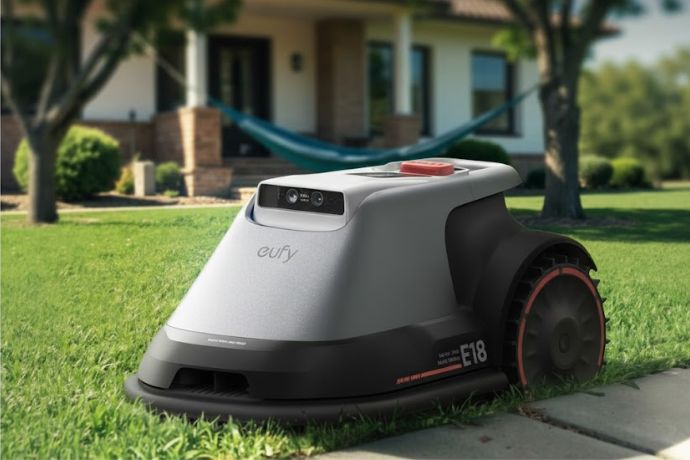
Gone are the days of pushing heavy lawn mowers under the scorching sun. In 2026, smart lawn mowers are revolutionizing lawn care with self-navigation, obstacle detection, and AI optimization.
These robotic mowers use advanced sensors, GPS mapping, and cameras to understand your lawn’s layout. They mow in efficient patterns, avoiding flower beds, pets, and even garden furniture. You can schedule mowing times from your smartphone or let the mower decide when it’s best to cut based on weather forecasts and grass growth.
The newest models are whisper-quiet and eco-friendly, powered by rechargeable batteries or solar panels. They even return to their charging docks automatically once the job is done.
Here’s a quick comparison of some popular 2026 smart lawn mowers:
| Model | Features | Battery Life | Price Range |
|---|---|---|---|
| eufy E18 | Auto Mapping + AI Obstacle Avoidance | 2 hours | $1,499 |
| YARDCARE M800Plus | GPS Navigation + Obstacle Avoidance | 1.5 hours | $799 |
| ECOVACS Goat A3000 LiDAR | Dual-LiDAR Navigation + Fast Charging 45-minute | 1.18 hours | $2,099 |
These smart mowers are not just about convenience—they promote healthier lawns by cutting grass evenly and frequently. Some even mulch clippings into fine particles to fertilize your soil naturally.
Smart lawn mowers are proof that technology can turn one of the most dreaded weekend chores into a hands-free pleasure.
Intelligent Irrigation Systems: Perfect Watering Every Time
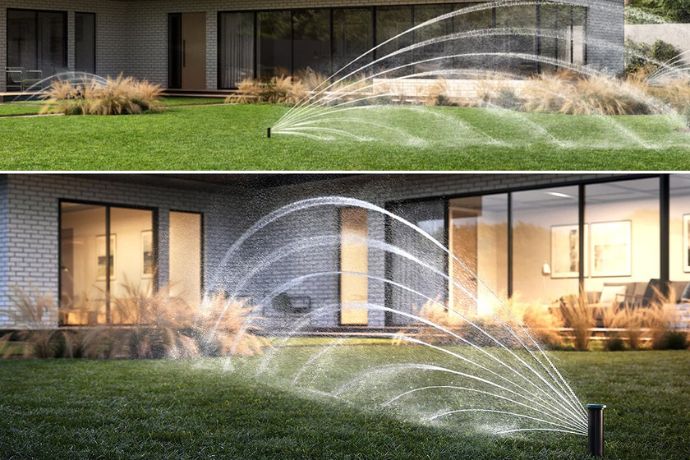
Water is the lifeblood of every garden, and smart irrigation systems ensure not a single drop goes to waste. In 2026, these systems are more intelligent and adaptive than ever before, using a combination of sensors, weather data, and AI algorithms to create the perfect watering schedule for every type of plant in your yard.
Imagine a system that detects rainfall and immediately pauses watering to conserve water. Or one that measures soil moisture levels in real time and adjusts accordingly to prevent overwatering or drought stress. These intelligent irrigation systems do exactly that—delivering precision hydration based on live environmental conditions rather than guesswork.
Modern irrigation controllers connect directly to your smartphone through dedicated apps. You can set custom watering zones, monitor usage reports, and even integrate your system with smart assistants like Alexa or Google Home. The convenience is unmatched—you can literally say, “Alexa, water my garden,” and watch it happen instantly.
Top brands in 2026 like Irrigreen, Aeon Matrix, Rachio, and Netro have taken innovation to the next level. They’ve introduced AI-driven “learning” features that analyze your plants’ needs over time, adapting to seasonal changes and soil composition. Some even include solar-powered options, reducing reliance on grid electricity.
The benefits go beyond just saving water. Intelligent irrigation systems improve plant health by maintaining consistent soil moisture, preventing root rot, and encouraging deeper root growth. They also reduce weed growth since only targeted areas are watered.
For eco-conscious homeowners, these systems are a dream come true. By conserving water and optimizing resource use, they contribute significantly to sustainable gardening practices. Plus, with weather-based automation, you never have to worry about accidentally watering during a storm again.
Smart Garden Sensors: The Eyes and Ears of Your Backyard
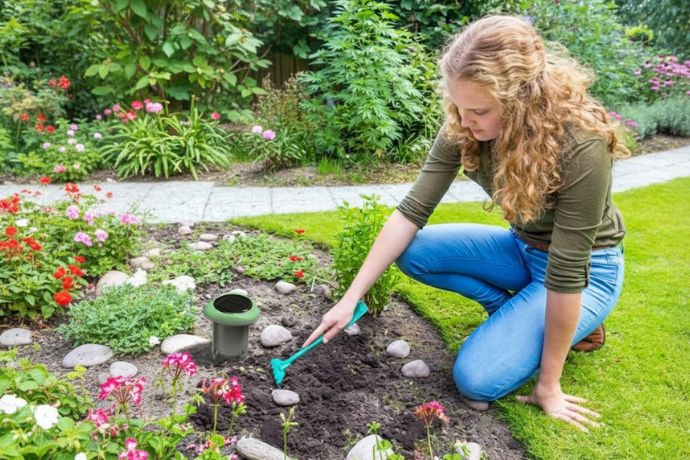
If smart irrigation is the heart of your garden, smart sensors are its eyes and ears. These compact yet powerful devices continuously monitor environmental factors like soil moisture, pH levels, temperature, humidity, and sunlight exposure—providing a complete overview of your garden’s health.
Think of them as your garden’s personal doctor, diagnosing problems before they escalate. For instance, if your soil becomes too acidic or dry, a notification pops up on your phone prompting you to take action. The result? No more wilting plants or nutrient deficiencies.
In 2026, garden sensors have become highly accurate and user-friendly. Many come with sleek, waterproof designs that can be inserted directly into the soil. They sync with apps that interpret raw data into easy-to-understand insights. Some even offer AI-powered recommendations like “Add compost to balance pH” or “Increase sunlight for better growth.”
Advanced sensors such as the EarthScout, GreenVation or RAINPOINT can monitor multiple garden zones simultaneously, ensuring your entire backyard receives personalized care. These sensors also integrate with other smart tools—your irrigation system, lighting, and even your robotic lawn mower—to create a unified, responsive ecosystem.
The biggest benefit is proactive gardening. Instead of reacting to problems, you anticipate them. You’ll know when your plants are stressed or when soil conditions start shifting. This real-time awareness takes guesswork out of the equation, transforming you into a data-driven gardener.
The combination of sensors and automation creates an almost self-sustaining garden, where every decision—from watering to nutrient adjustments—is optimized for growth and longevity.
Smart Planters and Indoor Garden Systems
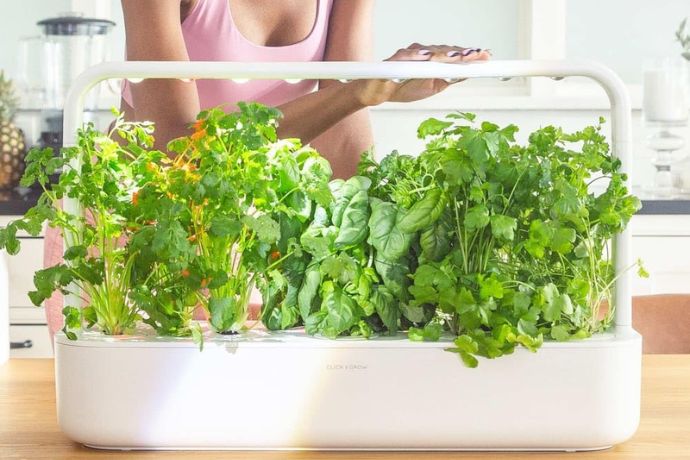
For those who love greenery but lack outdoor space, smart planters and indoor garden systems are absolute game changers. In 2026, these compact yet high-tech devices allow anyone—from apartment dwellers to urban homeowners—to grow fresh herbs, vegetables, and flowers indoors with zero gardening experience required.
Smart planters use a combination of hydroponic or aeroponic growing methods, which means plants thrive without soil. Instead, they rely on nutrient-rich water solutions and LED lighting systems that simulate natural sunlight. You don’t even need to remember when to water—the system automatically does it for you based on moisture readings.
Modern indoor garden systems like Click and Grow Smart Garden 9 PRO, AeroGarden Bounty Basic, and E SUPEREGROW Indoor Plant Hydroponics have taken automation to another level. These smart planters connect to apps where you can monitor growth, adjust lighting intensity, or even get notifications like “Your basil is ready for harvest!”
One of the most remarkable innovations in 2026 is AI-assisted growing. These devices analyze environmental data—temperature, humidity, light duration—and tweak settings automatically for optimal growth. Whether you’re cultivating lettuce, strawberries, or exotic orchids, your smart planter knows exactly what conditions your plants need.
Beyond convenience, these systems promote sustainability. By using up to 90% less water than traditional soil-based gardening, smart planters are perfect for eco-conscious individuals. They also eliminate the need for pesticides since the controlled environment prevents pest infestations.
Smart indoor gardening isn’t just practical—it’s also therapeutic and stylish. The soft glow of LED lights adds ambiance to living spaces, and the satisfaction of harvesting fresh greens from your own mini-garden is unmatched. It’s the perfect blend of technology, nature, and modern living, making gardening accessible to everyone, everywhere.
Voice-Controlled Gardening: Integrating with Alexa and Google Home

If managing your garden through your phone feels high-tech, wait until you start talking to it. Voice-controlled gardening has become a major trend in 2026, with smart garden tools now fully integrated into voice assistants like Amazon Alexa, Google Home, and Apple Siri.
With a simple command like “Hey Google, water the backyard,” or “Alexa, start the lawn mower,” your smart garden responds instantly. This hands-free control makes gardening more intuitive and accessible—especially for seniors or busy individuals.
Imagine relaxing in your lounge chair while instructing your irrigation system to adjust watering zones or telling your robotic mower to start a quick trim before guests arrive. It’s the ultimate in convenience and control.
Integration has expanded far beyond simple commands. Smart garden apps now allow you to set voice-activated routines, such as:
- “Alexa, start my morning garden check” → triggers your irrigation, checks sensor data, and reads weather updates.
- “Hey Google, feed my plants” → activates your smart fertilizer dispenser.
In 2026, major brands like Rachio, Husqvarna, and RainPoint have embraced voice technology, offering seamless compatibility with popular home assistants. The systems even respond with helpful updates like “Your garden’s soil moisture is at 35%, watering for 10 minutes.”
The future of gardening is not just automated—it’s conversational. Voice control allows a level of interactivity that transforms the gardener’s role from manual laborer to smart garden manager. It’s like having a personal assistant who knows your plants as well as you do.
Eco-Friendly Aspects of Smart Garden Tools

One of the most compelling reasons to embrace smart garden tools is their positive impact on the environment. Gardening has always been about nurturing nature, and smart tools are amplifying that philosophy through eco-conscious innovation.
First and foremost, water conservation stands at the forefront. Smart irrigation systems ensure every drop counts by using real-time soil and weather data to prevent waste. This technology is especially critical in drought-prone regions where traditional watering methods can be unsustainable.
Next, many devices are solar-powered, significantly reducing carbon emissions. Solar lawn mowers, lighting systems, and even garden sensors can operate off renewable energy, eliminating the need for constant recharging or battery replacements.
Smart garden tools also encourage chemical-free maintenance. Robotic weeders eliminate the need for harmful herbicides, while precision monitoring reduces the overuse of fertilizers. This not only protects your soil and plants but also benefits pollinators and local wildlife.
Furthermore, by optimizing energy use and reducing waste, smart tools contribute to a smaller carbon footprint. Many products are built using recyclable materials and are designed for long-term use, aligning with circular economy principles.
In short, technology and sustainability are no longer opposites—they’re partners. Smart garden tools are helping create greener, cleaner, and healthier gardens that respect the planet while providing maximum efficiency. For eco-conscious gardeners, these innovations make it easier than ever to align personal gardening goals with environmental responsibility.
Connectivity and Compatibility: How Devices Work Together
A truly smart garden isn’t made up of isolated gadgets—it’s a connected ecosystem where every tool communicates and collaborates seamlessly. In 2026, the magic lies in connectivity and compatibility, allowing your devices to share data, sync schedules, and respond to changing garden conditions automatically.
Imagine this: your smart soil sensor detects that moisture levels are dropping. Instantly, it signals your smart irrigation system to start watering only the affected zones. Meanwhile, your garden app updates you with a notification—“Watering in progress, estimated duration: 12 minutes.” That’s not future tech; that’s today’s smart garden experience.
This interconnected system works through Wi-Fi, Bluetooth, or specialized garden hubs. Many tools now support Matter, a universal smart home standard that ensures compatibility across brands and platforms. So, your Rachio irrigation system can communicate perfectly with your Husqvarna lawn mower or Philips Hue garden lights.
However, achieving full compatibility isn’t without challenges. Different manufacturers use varying software protocols, which can make integration tricky. Thankfully, newer devices are increasingly designed with cross-brand interoperability, meaning you can mix and match tools from different brands without worrying about technical headaches.
The end goal of all this connectivity? Effortless automation. With everything linked, your garden can essentially manage itself. Systems can forecast weather, adjust lighting, water only when necessary, and even alert you when something unusual occurs—like pest activity or plant stress.
Ultimately, connectivity transforms smart gardening from a set of cool gadgets into a synchronized digital ecosystem—an orchestra of technology working in harmony to keep your backyard thriving.
Smart Garden Apps: Managing Your Garden from Anywhere
If the devices are the body of your smart garden, the apps are the brain. In 2026, smart garden apps have become incredibly advanced, offering real-time data visualization, control, and AI-driven insights right from your smartphone or tablet.
These apps serve as the central hub for all your connected garden tools. Whether it’s adjusting irrigation, monitoring plant health, or setting lawn mower schedules, everything is accessible at your fingertips.
Here’s what modern smart garden apps can do:
- Monitor soil health with graphs showing pH, moisture, and nutrient levels.
- Control watering schedules manually or automatically.
- Track plant growth and get care recommendations.
- Receive weather alerts that sync directly with your irrigation system.
- Connect to AI assistants for voice commands or predictive care suggestions.
Some of the leading apps of 2026 include Rachio 4 App. What sets them apart is the integration of cloud-based data analytics. These apps collect information from your sensors and tools, analyze trends, and offer actionable insights—like suggesting specific fertilizers or planting times based on your garden’s microclimate.
One particularly impressive feature of newer apps is predictive gardening. Using machine learning, the software can anticipate your plants’ needs weeks in advance. For example, it might alert you that your soil will dry out by next Thursday due to rising temperatures.
These apps don’t just make gardening easier—they make it smarter. By putting data and control directly in your pocket, they transform you into a proactive gardener who understands every nuance of your green space, even when you’re miles away.
Related Articles
- Best Cat Litter Boxes for Odor Control: Keep Your Home Fresh and Clean
- 20 Best Self-Care Gift Sets for Relaxation
- Best Bike Helmets for Safety and Comfort
- Top 10 Convertible Car Seats for Growing Families
- Best Stand Mixers for Holiday Baking: Top 10 Mixers for Perfect Festive Treats
- 10 Best Sofas for Small Spaces in 2026
- Best Dog Beds for Large Breeds: 10 Top Picks & Buyer’s Guide
- Best Tools for Home Garage Setup
- Best Coffee Machines for Gifting Coffee Lovers
- Best Home Workout Equipment 2026: Top Picks for Every Budget and Space
How to Choose the Right Smart Garden Tools for Your Needs
Choosing smart garden tools can feel overwhelming with so many options on the market. But the key to building your ideal setup is understanding your garden’s size, goals, and budget.
Start by evaluating your garden size and layout. If you have a small yard or balcony garden, compact devices like smart planters or small irrigation kits may be enough. For larger spaces, you’ll need more robust systems—robotic mowers, multi-zone irrigation, and long-range sensors.
Next, define your gardening goals. Are you aiming for a low-maintenance garden, or do you enjoy being hands-on but want data-driven insights? For the former, full automation is ideal. For the latter, tools that provide detailed monitoring might suit you better.
Budget also plays a major role. While smart garden tools have become more affordable in 2026, prices still vary widely. Start with essential devices—like sensors and irrigation controllers—then expand your setup gradually.
Here’s a simple comparison to guide your choice:
| Garden Size | Recommended Smart Tools | Estimated Cost (2026) |
|---|---|---|
| Small Balcony | Smart Planter, LED Grow Lights, App-Controlled Irrigation | $150–$400 |
| Medium Yard | Smart Mower, Multi-Zone Irrigation, Sensors | $800–$1,500 |
| Large Garden | AI-Driven Mower, Weather Station, Full Automation Kit | $2,000–$3,500 |
Lastly, consider brand reputation and ecosystem compatibility. Choose tools that can easily integrate with your preferred voice assistant and mobile app. A unified system ensures smoother performance and easier management.
Remember, the goal isn’t to buy the most expensive tech—it’s to build a system that fits your lifestyle while enhancing your garden’s health and sustainability.
Maintenance and Troubleshooting for Smart Tools
Even the smartest garden tools need a little care to keep them running smoothly. The good news? Maintaining these devices is far easier than maintaining traditional tools—most of the upkeep is digital, not physical.
Start with regular software updates. Manufacturers release updates to improve performance, fix bugs, and enhance security. Ensure all your connected tools and mobile apps stay up to date.
For robotic mowers and irrigation systems, clean sensors and blades periodically to prevent debris buildup. Check battery levels and charging stations regularly, especially for solar-powered devices that rely on optimal sun exposure.
If a device stops responding, try simple troubleshooting steps first:
- Restart the device.
- Check Wi-Fi or Bluetooth connections.
- Verify that your mobile app is synced properly.
- Consult the brand’s support documentation for specific error codes.
Most smart tools also come with self-diagnostic systems. These features detect malfunctions and notify you directly via your app. For example, your irrigation controller might send an alert like “Valve malfunction detected in Zone 3.”
Pro tip: Create a maintenance schedule within your garden app. You can set reminders for cleaning sensors, checking batteries, and calibrating devices.
Smart garden tools are built to be durable and weather-resistant, but regular attention ensures they perform at their best year-round. A well-maintained smart garden ecosystem not only saves time and resources but also extends the lifespan of your investment.
Future Trends: What’s Next Beyond 2026?
Smart gardening is evolving rapidly, and the innovations expected beyond 2026 promise to push automation, sustainability, and precision to unprecedented levels.
AI-Driven Predictive Plant Care
One of the most transformative advancements coming after 2026 is predictive plant care powered by AI. Unlike current smart tools that react to soil or weather conditions, next-gen systems will forecast plant needs before problems arise. Using machine learning models, these tools will analyze sunlight, humidity, soil nutrients, historical patterns, and even long-range climate predictions.
The result?
A garden that automatically adjusts watering, fertilizing, and lighting well before your plants experience stress. For example, if AI detects a heat spike coming in three days, it may increase watering cycles ahead of time or signal your smart shades to extend coverage. It’s like having a professional botanist monitoring your garden 24/7—without ever stepping outside.
AR (Augmented Reality) for Garden Planning & Design
Another major innovation is the integration of Augmented Reality into garden design. AR-enabled smart gardening apps will allow you to visualize future landscaping layouts in real-world space.
You’ll be able to:
- Position virtual trees or plants in your yard
- Preview plant growth over months or years
- Test color combinations and placement
- Simulate sunlight exposure on different areas
By simply pointing your phone—or wearing lightweight AR glasses—you’ll see digital overlays blended seamlessly with your physical garden. This eliminates guesswork and empowers gardeners to make precise, aesthetically pleasing design choices.
Nanotechnology and Biodegradable Micro-Sensors
Nanotechnology is expected to reshape gardening with ultra-small, highly accurate sensors. These nano-devices will measure nutrient density, biological changes, microbial activity, and root health at the molecular level.
Future sensors will be:
- Biodegradable, reducing e-waste
- Powered by natural elements like moisture, heat, or sunlight
- Capable of real-time soil chemistry analysis
- Integrated with AI ecosystems for automated adjustments
These innovations will make plant care more accurate than ever while keeping environmental impact low.
Hyper-Integrated Smart Garden Ecosystems
Beyond 2026, gardens will become fully connected environments where every device communicates through a central AI hub. Your robotic mower, compost bin, weather station, irrigation system, and soil sensors will work together automatically.
For example:
- Compost temperature increases → system predicts nutrient release → irrigation adjusts watering to optimize absorption
- Lawn mower detects thick grass → AI increases fertilizer in that zone next cycle
This deep-level integration creates a self-regulating ecosystem that maintains balance with minimal human input.
Ultra-Sustainable, Zero-Emission Garden Technology
Future tools will be designed with environmental consciousness at their core. Expect innovations such as:
- Solar-only or hybrid solar-wind-powered devices
- Kinetic energy tools activated by natural movement
- Tools built from recycled or organic materials
- Smart composters turning food waste into nutrient data
These enhancements ensure that technology improves your garden without harming the planet.
Fully Autonomous Gardens: The Ultimate Vision
The long-term goal of smart garden development is full autonomy. These futuristic gardens will:
- Learn your preferences
- Adapt to climate fluctuations
- Manage all daily tasks independently
- Provide insights through apps or voice assistants
- Ensure optimal health for every plant
Picture a garden that thrives on its own yet keeps you connected through updates and recommendations. This seamless blend of intelligence and nature will redefine what gardening means for future generations.
Conclusion: Embrace the Smart Gardening Revolution
Gardening has always been an act of nurturing, patience, and love—but now, it’s also an act of innovation. The arrival of smart garden tools in 2026 has completely redefined what it means to cultivate nature. With AI-powered systems, connected devices, and sustainable technologies, even the busiest individuals can maintain lush, healthy gardens with minimal effort.
Whether you’re growing vegetables on your balcony or managing a sprawling backyard, these intelligent tools give you control, precision, and peace of mind. They save time, conserve resources, and ensure that every plant receives exactly what it needs to flourish.
Beyond convenience, smart garden tools represent a deeper shift in how we engage with the environment. They bridge the gap between technology and ecology—allowing us to live smarter and greener simultaneously. With automation handling repetitive tasks, gardeners can focus on creativity, design, and connection with nature.
So, as you plan your next gardening season, consider embracing this digital revolution. Equip your garden with smart tools that not only simplify your work but also help the planet. The future of gardening is here—and it’s intelligent, sustainable, and beautifully green.
FAQs About Smart Garden Tools
1. What are smart garden tools?
Smart garden tools are technologically advanced gardening devices equipped with sensors, AI, and automation features that make it easier to manage gardens. They can monitor soil health, automate watering, mow lawns, and even remove weeds—all through connected apps and voice commands.
2. Are smart garden tools difficult to install?
Not at all. Most smart tools are plug-and-play and connect via Wi-Fi or Bluetooth. Installation typically involves placing sensors, downloading an app, and syncing the device. Step-by-step guides and automated setup make the process beginner-friendly.
3. Do smart garden tools really save water and energy?
Yes. Smart irrigation systems and moisture sensors ensure plants are watered only when necessary, reducing waste. Many devices are solar-powered or energy-efficient, helping you lower your carbon footprint while saving money.
4. Can smart garden tools work without an internet connection?
Some tools can operate offline using pre-programmed schedules, but full functionality—like remote control and data analytics—usually requires an internet connection. Offline modes vary depending on the brand and device type.
5. Are these tools suitable for small gardens or apartments?
Absolutely! Smart planters, compact irrigation systems, and indoor garden kits are perfect for limited spaces. They help urban gardeners grow fresh herbs and vegetables efficiently, even without outdoor soil.